
Issue 11: The Conversation With Chef Ryan Nile Choo
It’s not just dinner, it’s a whole night out here at Maggie's on 1 Keong Saik Road, Singapore. Why this Hong Kong-themed restaurant is getting all the raves.

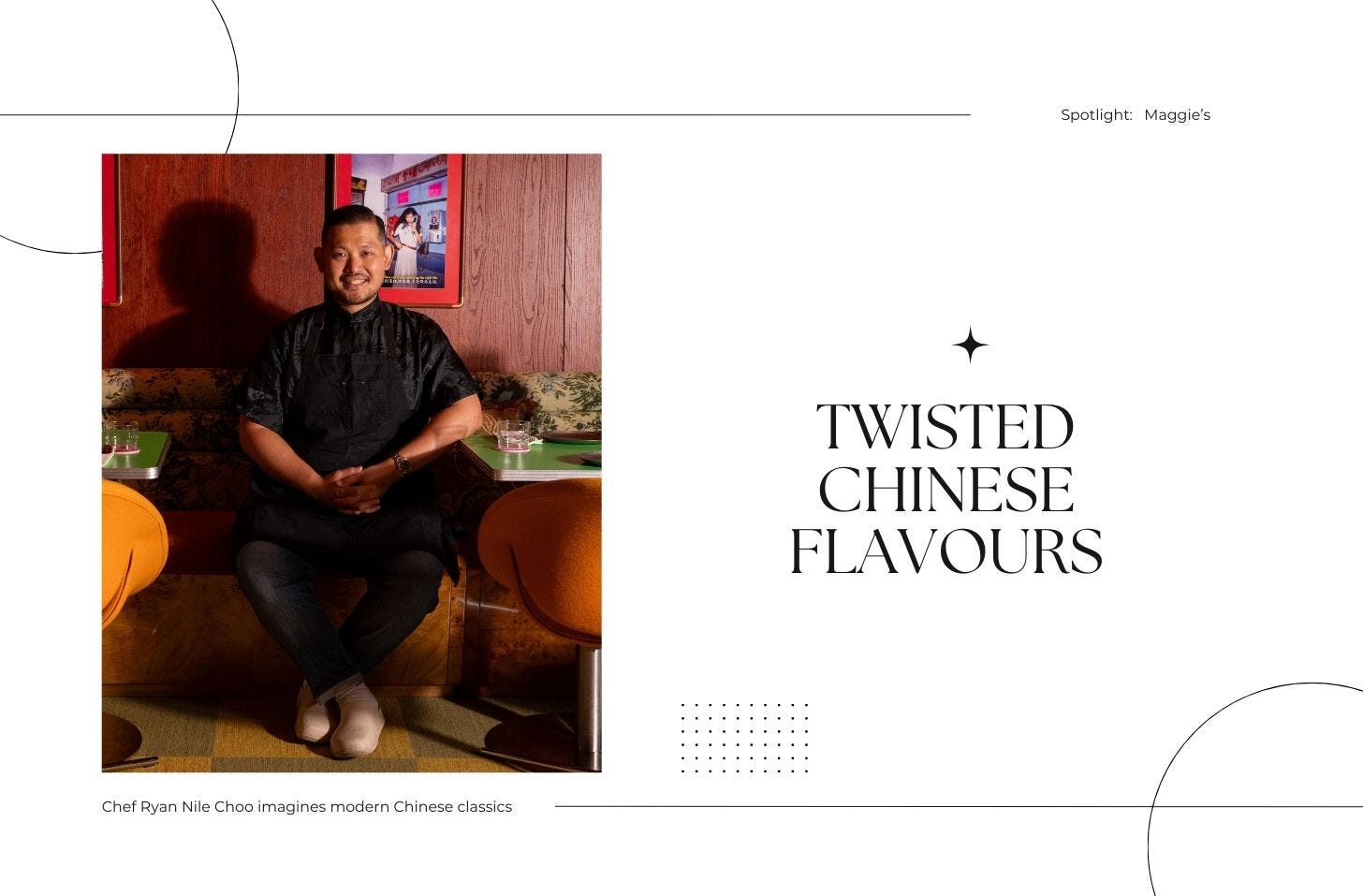
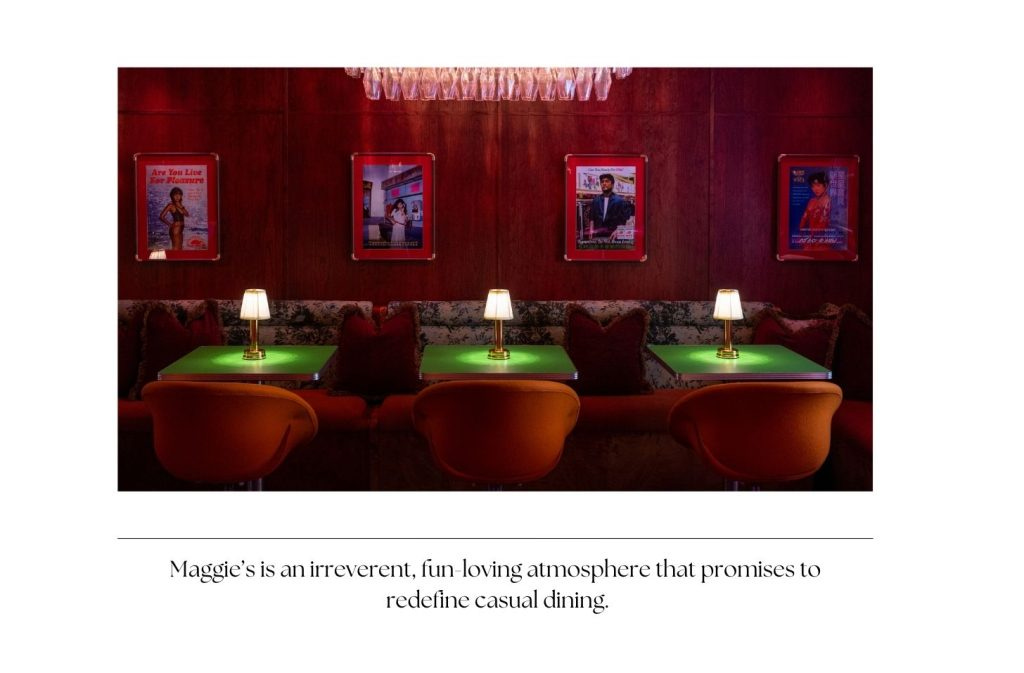
Stepping inside Maggie’s on 1 Keong Saik Road immediately transported me to old Hong Kong. The atmosphere conjured images of vibrant neon signs, and the rich culinary traditions of a bygone era. Every detail, from the decor to the food, made me feel as if I’d traveled back in time to experience the city’s golden age. Maggie’s is the latest iteration by Chef Ryan Nile Choo, who is also the chef partner of Marcy’s, a seafood bistro on Duxton Road.
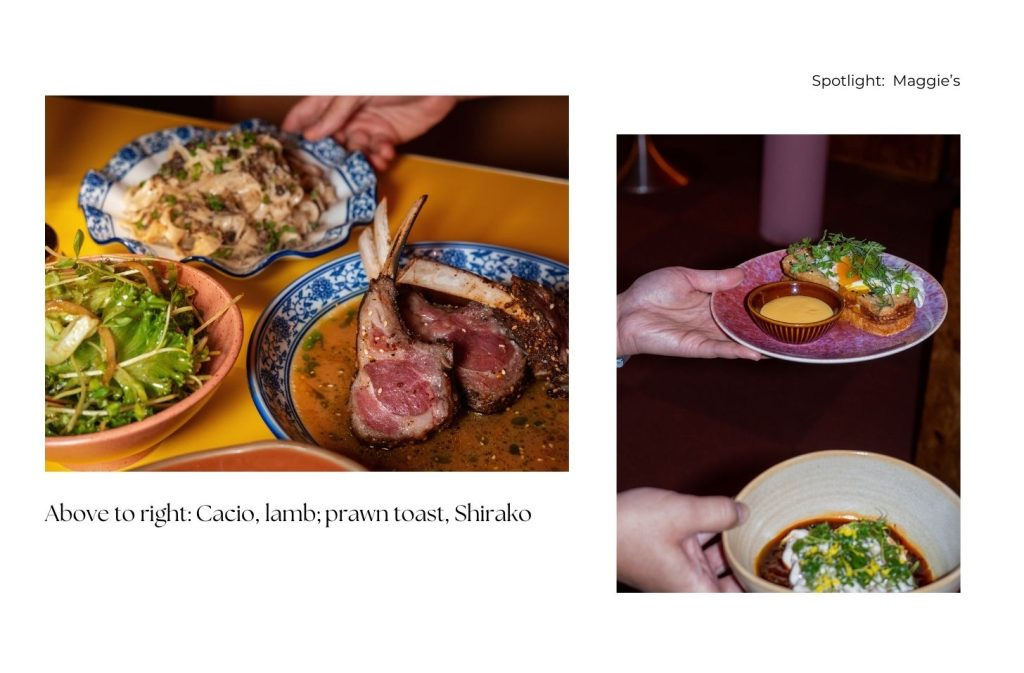
Maggie’s clever twist on classic Chinese flavours is a great find for adventurous foodies. Imagine a pomfret fish that’s complemented with salsa verde or an iberico chop sprinkled with Banjing pepper – unusual and bold mix but it works. Intrigued, I reached out to Chef Ryan to find out his inspiration behind the inventive and “almost Chinese” bistro and his thoughts on sustaining a young restaurant like his, amidst Singapore’s current tough F&B scene.
Share with us your background leading to your career as a chef partner of Maggie’s.
I spent a few incredible years cooking in California, where I learned to listen closely to the rhythm of the seasons—how produce, flavour, and even mood shift throughout the year. I was especially drawn to the quiet rituals of foraging, and I had the privilege of working with a third-generation sushi master who helped me understand the depth and beauty of seafood and micro-seasonality.
When I moved back to Singapore, I brought all of that with me, an appreciation for nature, restraint, and sensitivity in cooking. I joined Marcy’s in 2021 and have been growing with the group ever since. Together, we realised there was space for a new kind of Chinese restaurant—one that celebrated nostalgia but didn’t cling to tradition too tightly. That seed eventually blossomed into Maggie’s: a bistro that’s playful, inventive, and proudly “Almost Chinese.” It’s where we reimagine regional flavours through a bold, modern lens, and every dish reflects the joy we find in that exploration.
I read that you were studying design. Was that a fallback career if being a chef didn’t work out?
Not at all! I’ve always been obsessed with design, how spaces make us feel, how beauty can be functional. But cooking felt more visceral to me, more alive. It’s where I feel most at home. That said, design and food don’t exist in separate worlds for me, they’re two halves of the same creative impulse. At Maggie’s, that fusion really comes alive. From the spatial flow of the restaurant to the way we plate a dish or curate a playlist, every detail is intentional.
Why did you choose to set up a base in Singapore, and not anywhere else?
Singapore is home. There’s an energy here that’s unlike anywhere else. After my time abroad, I came back with a new perspective (and a lot of fire). I wanted to be part of a generation of chefs who are helping Singaporean food evolve, not just preserving what came before but exploring what’s next.
Before the awards and the global spotlight, being a chef here was still seen as a bit of a gamble. But this work is deeply technical, deeply creative, and deeply human. It’s about science, culture, hospitality, and craft. I wanted to help shift that perception, to show younger chefs that this path is full of meaning, and joy.
Was your family supportive of your career choice? Was it difficult to win them over, given our typical Asian upbringing?
Let’s just say… it wasn’t a standing ovation at the start. My dad was open-minded, but my mum needed a little more convincing. In an Asian family where everyone else has “stable” careers, I was the odd one out, chasing something that felt a little risky and a lot uncertain.
There were awkward family gatherings, plenty of questions, and a fair bit of self-doubt. But over time, as they saw the work, the pride, the people who came to eat, I think they started to understand what it meant to me. Now, every time they introduce me as “my son, the chef,” it feels like a quiet, beautiful kind of full circle.
Why did you start Maggie’s, and where did the inspiration come from?
Maggie’s came from a place of love and a shared curiosity. Tong (Goh Tong Hann is the owner of PleasureCraft Group) and I wanted to build something that paid tribute to our cultural roots, but wasn’t bound by authenticity. We saw how “Chinese food” had been flattened into just a few recognisable formats, and we thought—what if we created a space to play, to provoke, to have fun with it?
We take inspiration from regional Chinese cooking, from the smoky funk of Hunan to the bright spice of Sichuan, and mix that with everything we’ve learned along the way, from Western kitchens to late-night Chinatown diners. Maggie’s is bold, cheeky, and a little irreverent, but every dish is grounded in serious craft. It’s a place where nostalgia meets invention, and we invite everyone to come along for the ride.
Are you a fan of Hong Kong movies? Because we sure are!
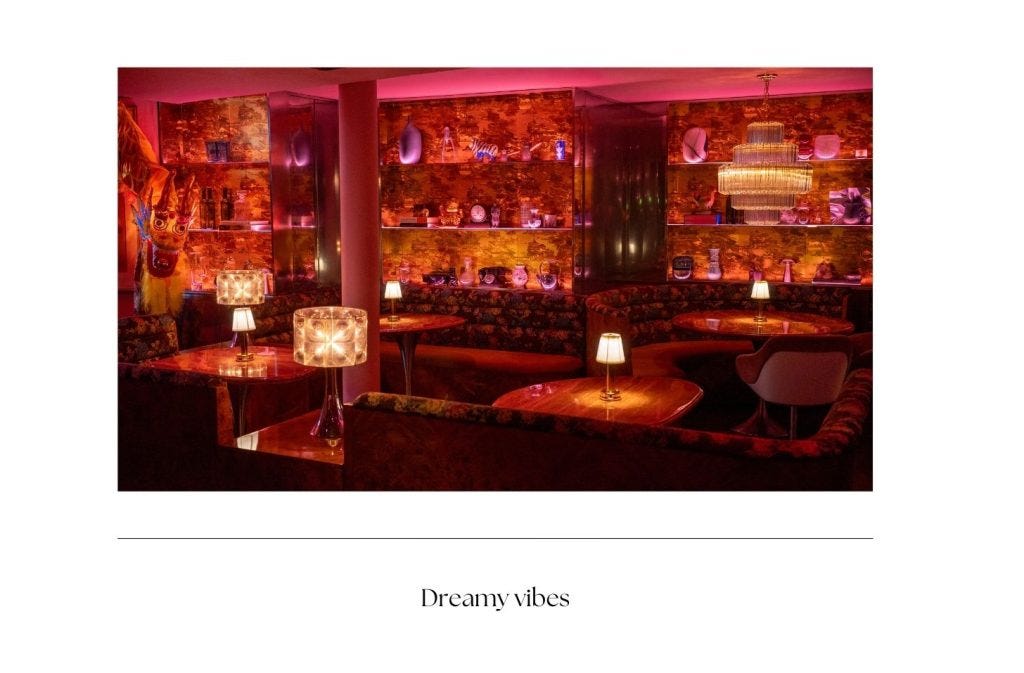
Absolutely! I love how cinematic and emotionally charged they are. There’s such a unique blend of glamour, grit, humour, and heartbreak, it’s all in there. We wanted Maggie’s to feel like that kind of movie: dramatic, moody, and full of memorable characters. Tong designed the space with that in mind, and I curated a playlist that moves like a film score, from the first martini to the last Negroni. It’s not just dinner, it’s a whole night out.
What were some of the best things your diners have said to you?
There was one guest who said, “This should be on the Asia’s 50 Best list already.” I laughed, but it meant the world. Others have told us Maggie’s reminds them of childhood, or makes them feel like they’ve stepped into another era. Those are the best compliments. Of course, recognition is lovely. But for me, nothing beats a full dining room, a table clinking glasses, and that hum of people really, truly enjoying themselves.
What were some of the challenges you had to face?
Time. Or the lack of it.
We had this big, beautiful idea, but a pretty tight window to bring it to life. Menu, interiors, recruitment, training—everything had to come together at once. It was chaotic, intense, but also thrilling.
We’d been dreaming of Maggie’s for a long time, and once we decided to go for it, there was no turning back. In a weird way, that pressure gave the place its energy. We had to be scrappy, creative, and a little mad. That energy is still in the bones of the restaurant.
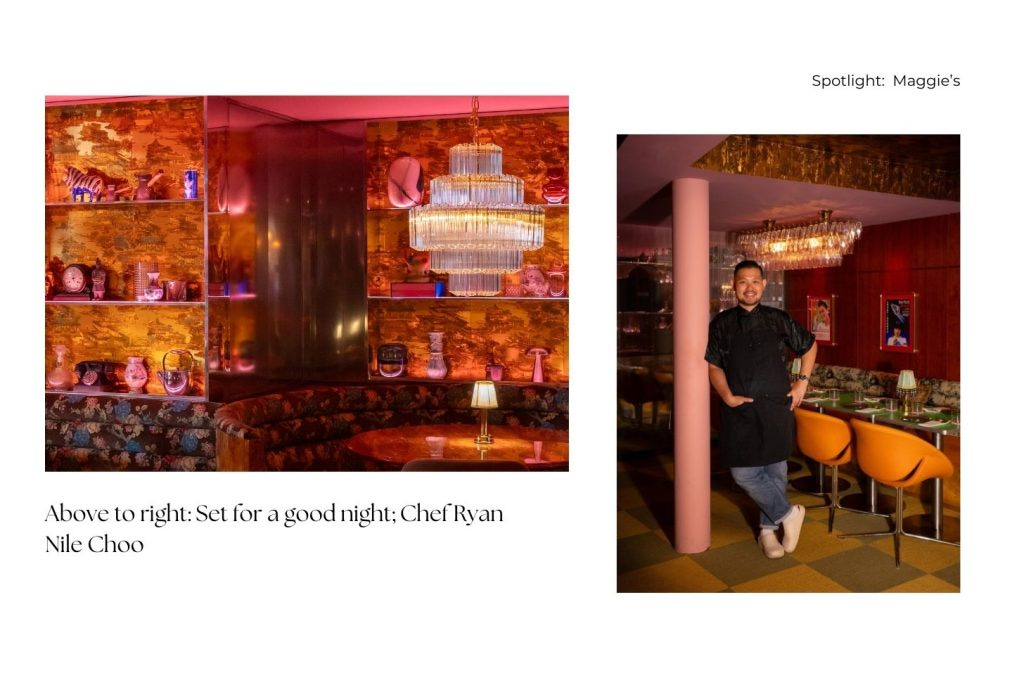
With many F&B closures in Singapore, how do you think young restaurants like yours can survive?
It starts with people. Always.
The team is everything. Without them, there’s no Maggie’s. That means creating a culture of care. Fair hours, trust, space to grow. We don’t just talk about it, we live it. And in turn, our guests feel that warmth when they walk in. Beyond that, you’ve got to stay adaptable. Stay curious. Keep evolving without chasing trends. Know what you stand for and stick to it. And crucially, have fun with it. Guests can feel joy, and they’ll come back for it.
Any advice for aspiring entrepreneurs or those considering a mid-career change?
Yes! Do it. Seriously, take the leap. Whether you’re 25 or 45, it’s never too late to choose joy, to pursue something that lights you up. It will be scary. You’ll doubt yourself. But if it’s rooted in love and intention, it will grow into something beautiful. And to all the would-be chefs, designers, creatives out there: your voice matters. The world rewards those who take action—quickly.
Visit Maggie’s at 1 Keong Saik Rd., #01-04, Singapore 089109
Curating News For You
Here are some interesting news you might’ve missed from the world wide web:
1. Grit is the skill that outlasts talent
Many of us have a habit of not following things through and through but if you have some grit and perseverance, you may just succeed. Read why grit is the skill that outlasts talent.
2. The new office spouse is AI
An “AI” office spouse won’t spread gossip, malicious rumours about you nor report you to HR. Here’s why people are using AI at work.
3. To Change Company Culture, Focus on Systems—Not Communication
Culture is one of the most talked-about priorities in leadership, yet one of the least consistently understood.

Travel Inspiration
8 Secluded Malaysian Retreats That Make You Feel Special
Malaysia, with its pristine islands, ancient rainforests, and rich cultural history, offers an abundance of incredible escapes. But for those truly seeking to disconnect, rejuvenate, and feel truly pampered, a select few secluded retreats stand out. These aren’t just places to stay; they’re experiences designed to make you feel utterly special.
Here’s a list of exquisite Malaysian havens where privacy, personalised service, and breathtaking natural beauty converge to create an unforgettable escape:
1. The Taaras Beach & Spa Resort, Redang Island
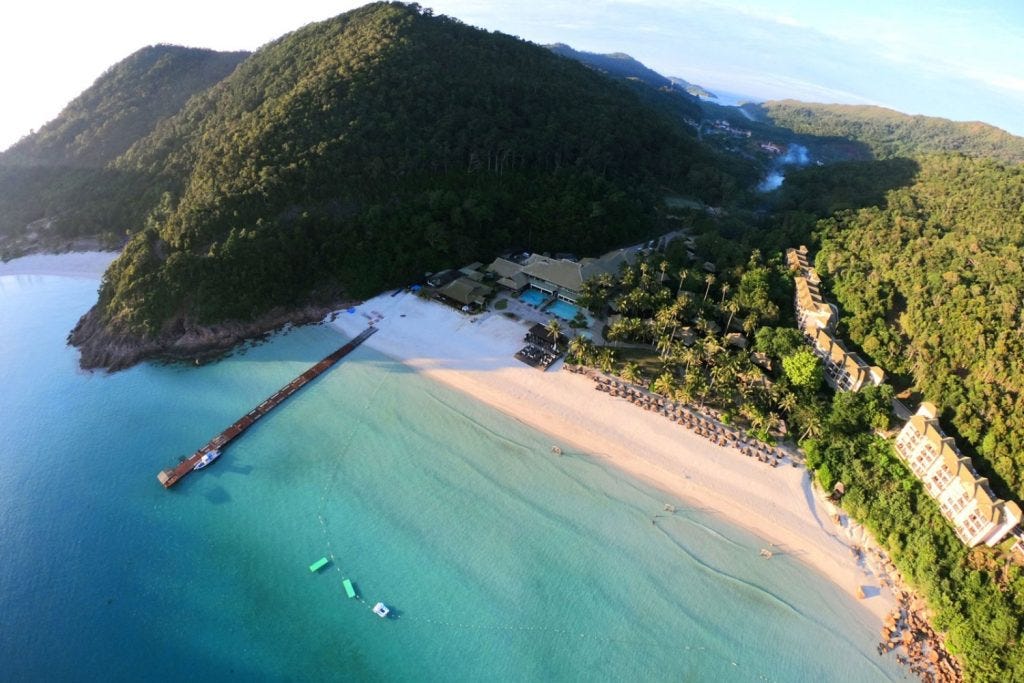
Nestled on the idyllic Redang Island, The Taaras Beach & Spa Resort is a luxurious sanctuary offering a perfect blend of opulence and natural beauty. What makes it special? Its private bay location ensures exclusivity, while the resort’s commitment to personalised service means every whim is catered to. Imagine waking up to the gentle lapping of waves, stepping onto a pristine private beach, and indulging in world-class spa treatments. From bespoke dining experiences by the sea to engaging water sports in crystal-clear waters, The Taaras crafts moments that feel uniquely yours.
2. Alang’s Rawa Resort, Rawa Island
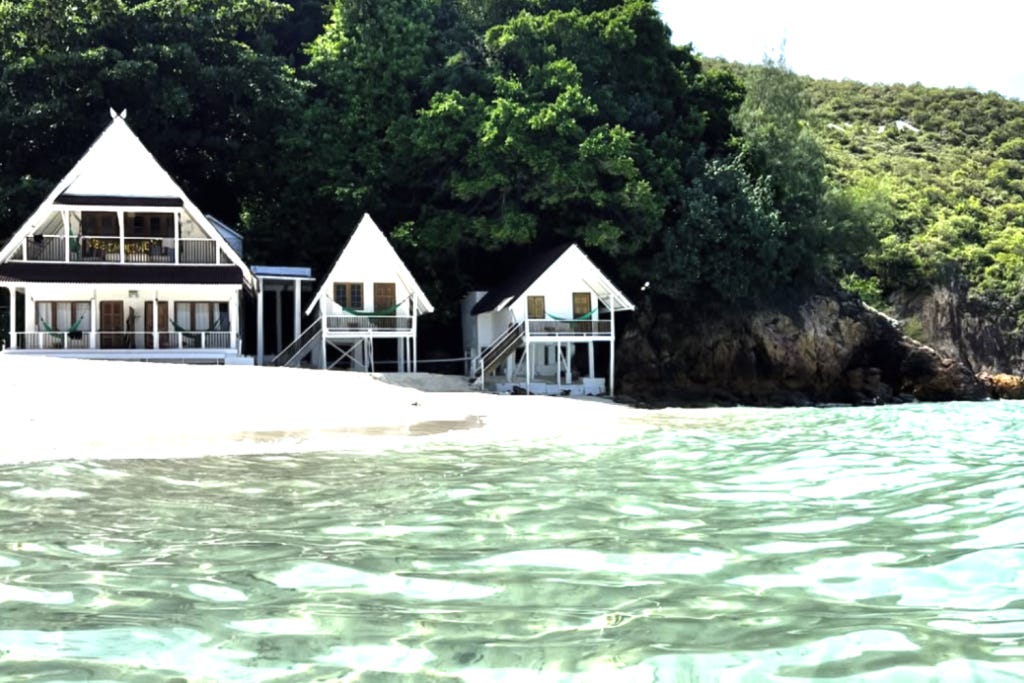
For a truly rustic yet charmingly special escape, Alang’s Rawa Resort on the tiny, picture-perfect Rawa Island delivers. This unpretentious gem offers an “unplugged” experience where the focus is on natural beauty and genuine relaxation. It’s the kind of place where you kick off your shoes and forget the outside world. The intimate atmosphere, simple yet comfortable accommodations, and the stunning white sand beach right at your doorstep create a sense of belonging and effortless joy. Here, feeling special comes from the freedom to simply be.
3. Japamala Resort, Tioman Island
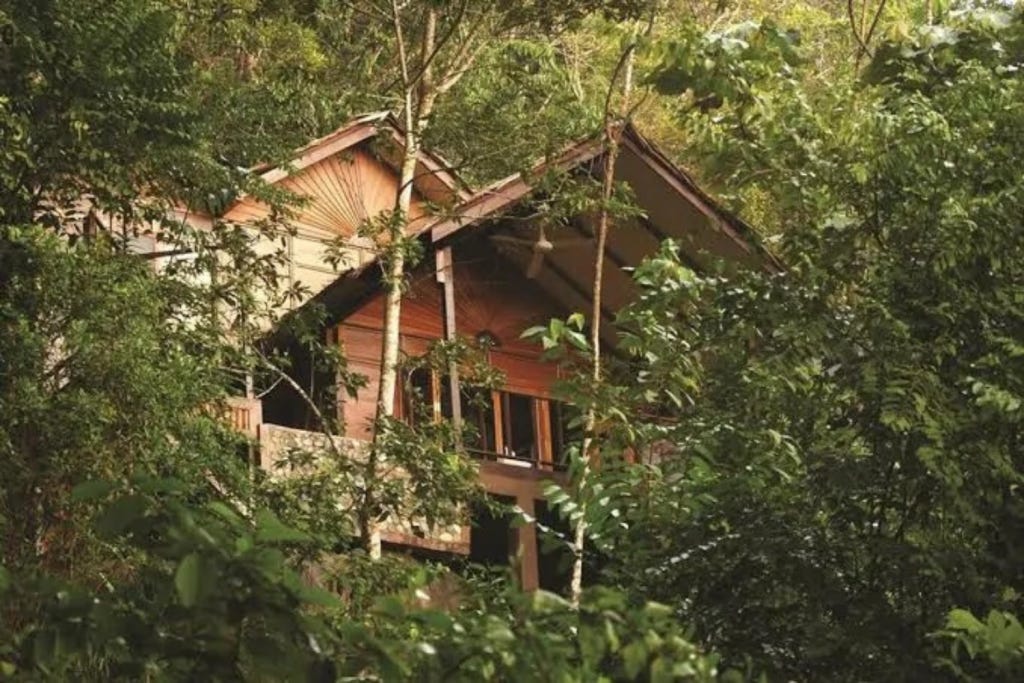
Japamala Resort on Tioman Island is a masterclass in blending luxury with the raw beauty of the rainforest. This boutique retreat, often described as “rustic-chic,” offers unique “sarangs” (nests) and villas nestled into the jungle or perched over the ocean. The feeling of special here is derived from its thoughtful design, which seamlessly integrates with nature, ensuring ultimate privacy. Indulge in bespoke dining experiences, explore hidden coves by kayak, and let the sounds of the jungle be your soundtrack. Japamala is a grown-up sanctuary where every detail is curated for an intimate and luxurious escape.
4. Borneo Rainforest Lodge, Kinabatangan River (Sukau)
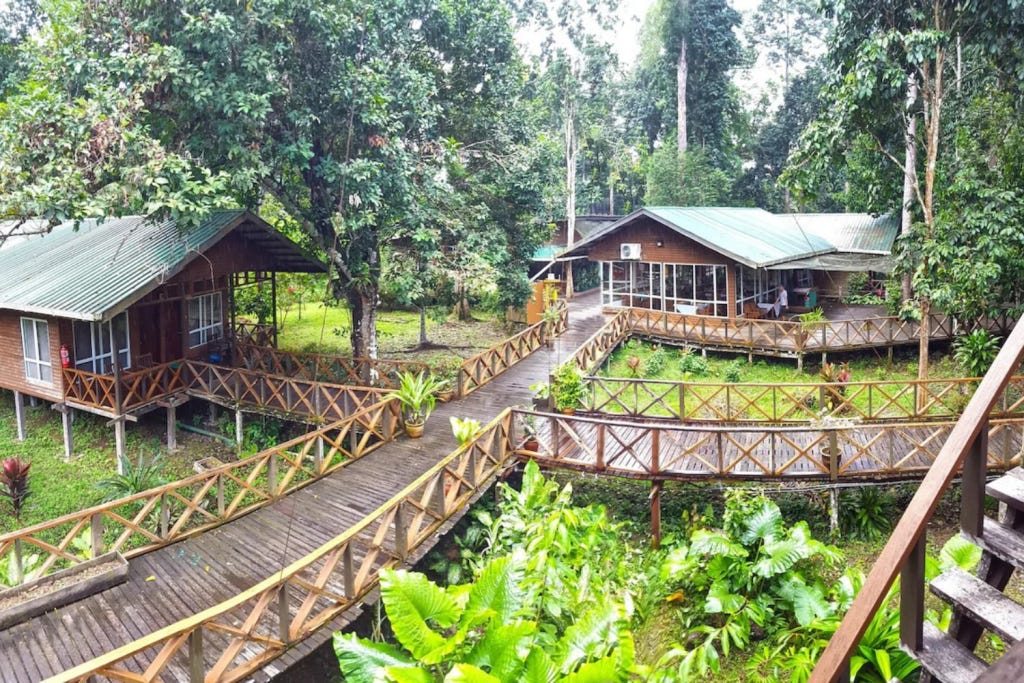
For the adventurous soul seeking a truly special connection with nature, Borneo Rainforest Lodge in Sukau offers an unparalleled experience. As one of National Geographic’s Unique Lodges of the World, its exclusivity is evident. Perched on the banks of the Kinabatangan River, this eco-lodge provides luxurious comfort amidst a vibrant wildlife haven. The special feeling here comes from the privilege of witnessing orangutans, proboscis monkeys, and pygmy elephants in their natural habitat from your private balcony or on guided river safaris. It’s an immersion into an ancient ecosystem that leaves you feeling profoundly connected and awe-inspired.
5. Tanjong Jara Resort, Terengganu
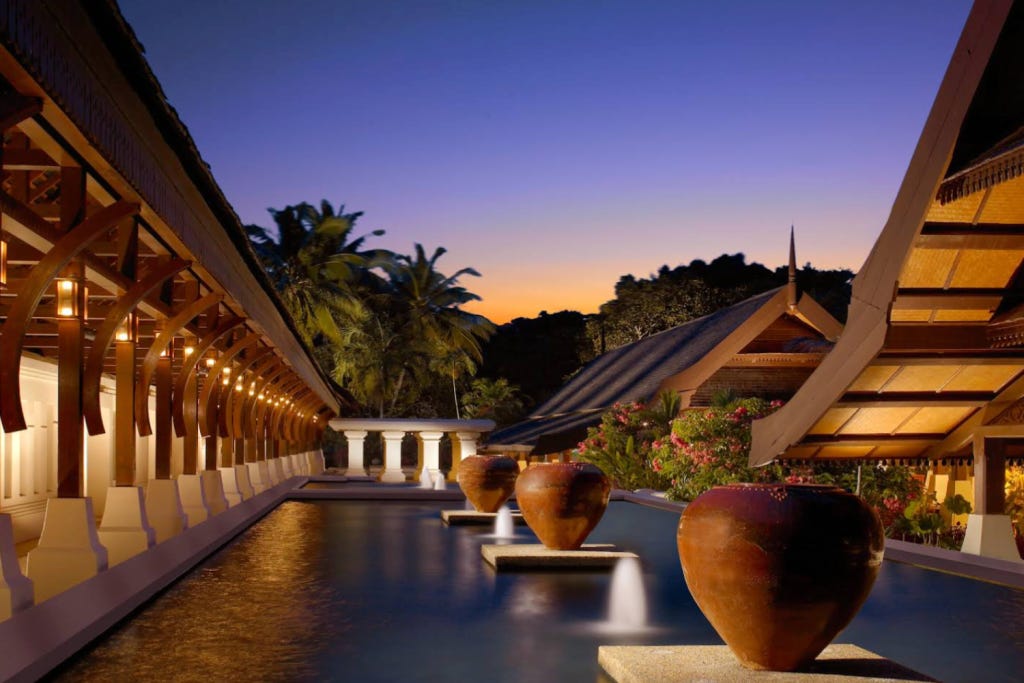
Inspired by the 17th-century Malay palaces, Tanjong Jara Resort in Terengganu offers a cultural immersion alongside luxurious relaxation. What makes this retreat special is its commitment to “Sucimurni,” a philosophy emphasising well-being and a pure way of life. From the exquisite traditional architecture to the authentic Malay cuisine and the award-winning Spa Village, every element is designed to soothe the soul and enrich the spirit. Personalized service, traditional healing treatments, and opportunities to explore local villages ensure a stay that feels deeply personal and culturally enriching.
6. Kinabatangan Wetlands Resort, Sabah
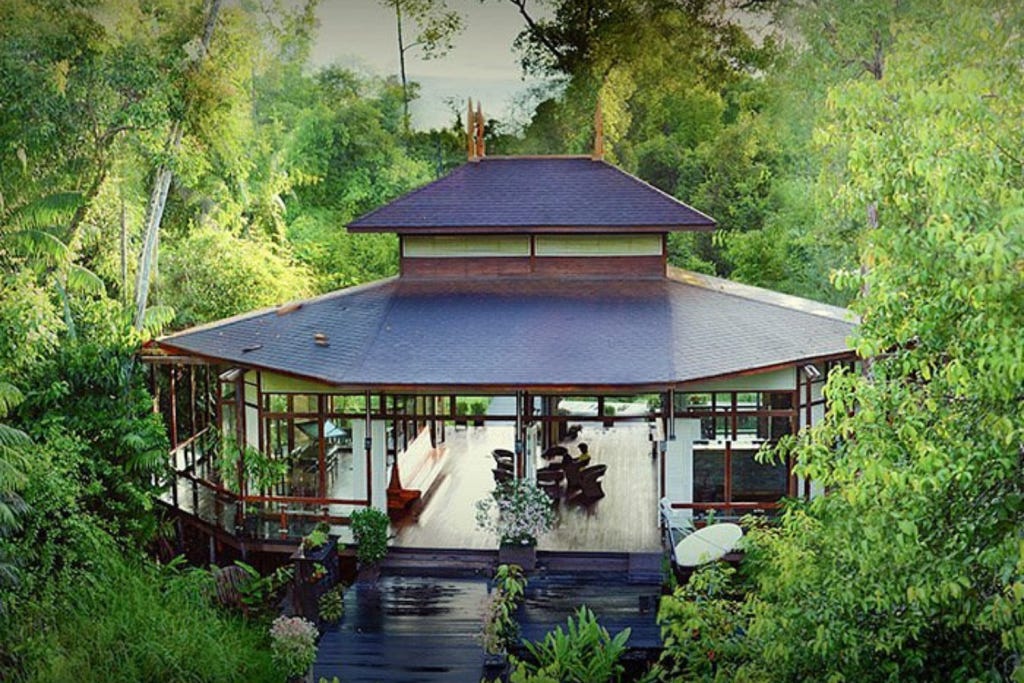
Another gem in Borneo, the Kinabatangan Wetlands Resort provides a special encounter with one of the most biodiverse regions on earth. While the accommodations are simpler than some luxury resorts, the unparalleled access to a rich array of wildlife makes it profoundly special. Day and night river safaris allow intimate encounters with the diverse flora and fauna of the wetlands, including orangutans, hornbills, and an array of bird species. The feeling of special here is born from the raw, authentic connection to nature and the opportunity to witness Borneo’s wonders up close.
7. Gibbon Retreat, Bentong
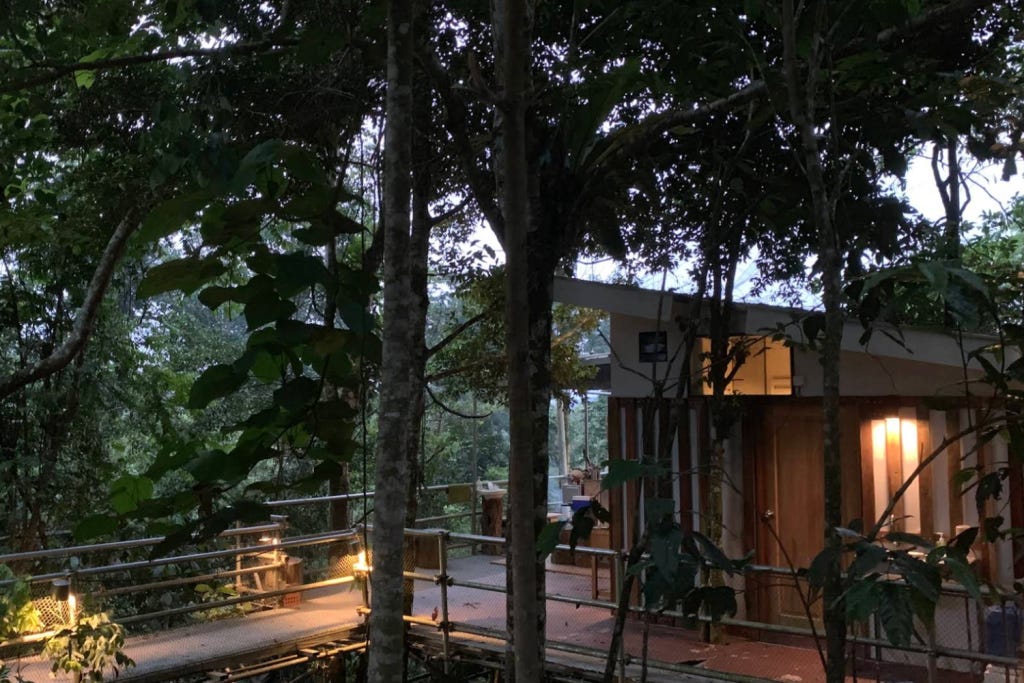
For a unique and intimate escape closer to Kuala Lumpur, Gibbon Retreat in Bentong offers a distinct kind of seclusion. This retreat is designed for those who want to truly reconnect with nature and themselves. With hiking trails, forest bathing opportunities, and campfire stargazing, the special feeling here comes from the tranquility and the chance to unwind in a lush, natural environment. It’s a place to embrace the sounds of the rainforest and find peace away from the urban bustle.
8. Katsetiu Villas, Setiu, Terengganu
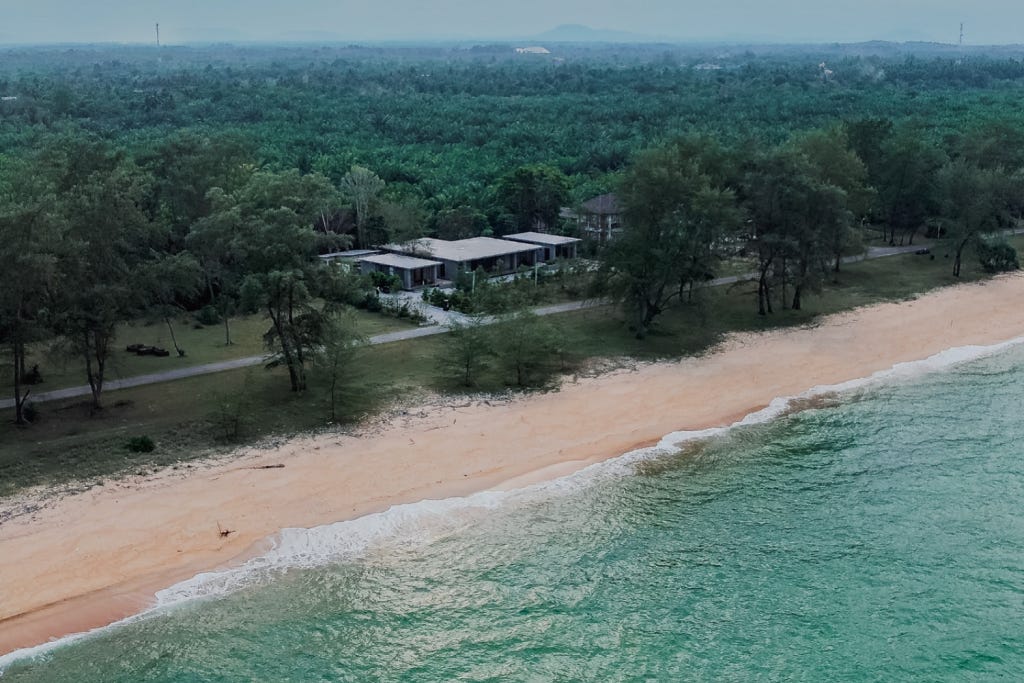
Katsetiu Villas in Setiu, Terengganu, offers a modern, chic, and incredibly private homestay experience right by a serene 3km stretch of beach. What sets these villas apart is their design for privacy and comfort, catering to large families, groups of divers, or those simply seeking a tranquil beach getaway. The feeling of special here is derived from the “uber chic” aesthetic, the direct access to a pristine beach with views of Redang and Perhentian Islands, and the personalized services that make it feel like your own private beach house.
Whether you seek unparalleled luxury, authentic cultural immersion, or a profound connection with nature, these secluded Malaysian retreats promise an experience that goes beyond mere accommodation, leaving you feeling truly special and utterly rejuvenated.
Editor’s Note
There comes a time when I would have to be in front of the mic, and not behind it, as I start creating more content that I feel passionate about. But something doesn’t feel right; this article has a great explanation for it: "Journalists are taught to focus on the story, not themselves. Self-promotion can feel like a violation of that ethos."
When the spotlight turns to the journalist, it takes away the story from the source, rendering it less important. These days, I am learning to balance both; I can choose the stories where my source takes the chair. Other times, I prep a voice recording for my travel vlogs. It’s not that bad, actually, once I got over the fear of judgment.
At least I am trying something, right?
Send me emails: reta@theconversationwith.media
See you in September x